
Organ function tests
Blood and body-fluid tests that help assess how well your organs are working.
- Sample
- Blood or other body fluids
- Preparation
- Ask when you contact us
- Report
- Ask when you contact us
About this test
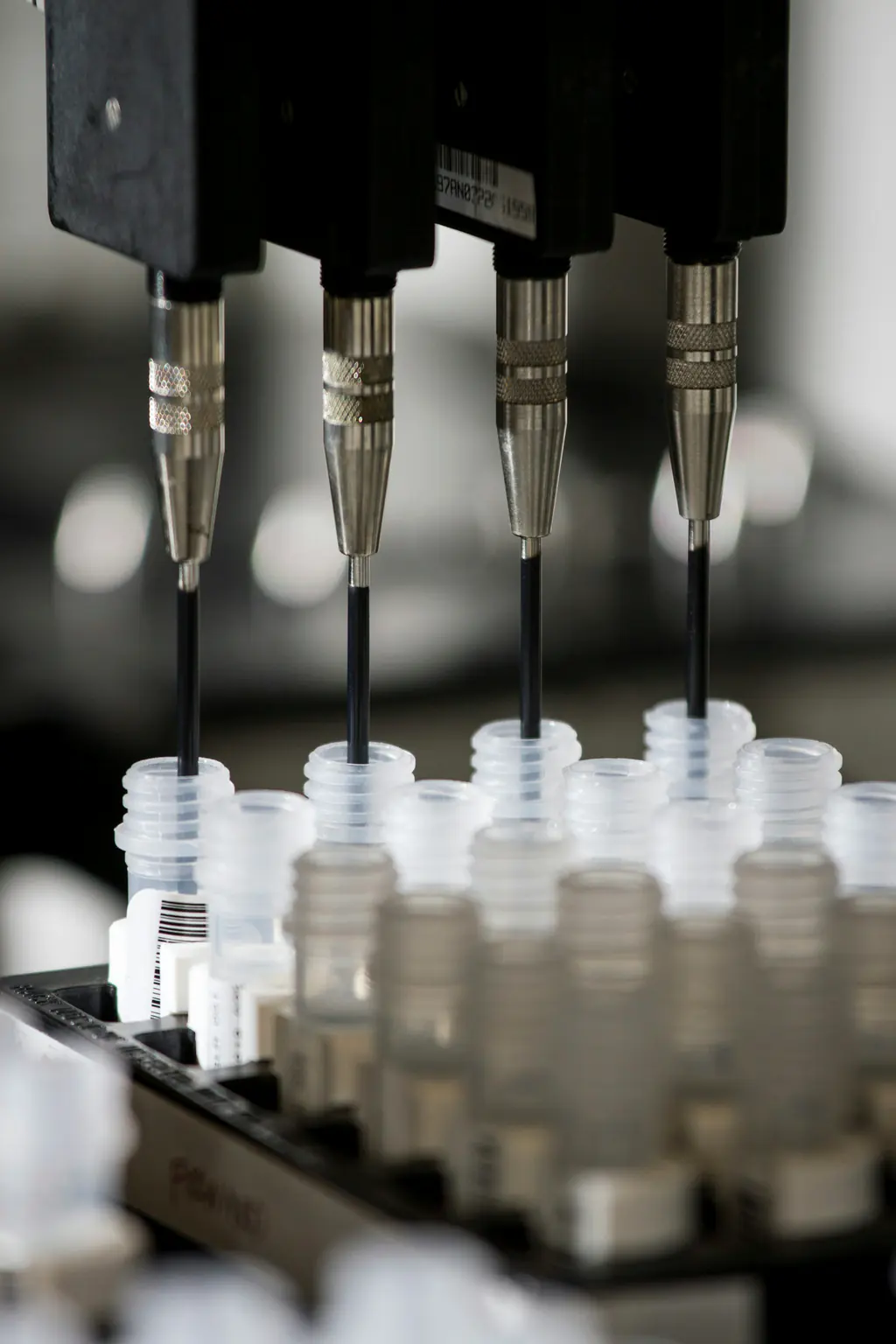
Organ function tests are part of clinical biochemistry. They measure substances in the blood or other body fluids that reflect how particular organs are working.
Your doctor uses the results to help reach a diagnosis, guide treatment or monitor a condition over time. Which measurements are included depends on what your doctor requests.
Who may need it
- People whose doctor suspects a problem with the liver, kidneys or another organ
- People with symptoms a doctor wants to explain, such as tiredness, swelling or yellowing of the skin or eyes
- People taking a medicine that doctors follow with blood tests
- People having a routine health check
Purpose and benefits
What it looks at
- Substances in the blood that reflect how an organ is working, such as liver enzymes and kidney markers like creatinine
- Salts and minerals (electrolytes) and blood proteins that the organs help to keep in balance
- The exact set depends on the organ and on what your doctor requests
How it helps
- Can help find a problem, sometimes before symptoms appear
- Helps your doctor decide whether a symptom is linked to an organ
- Lets your doctor check whether a treatment is working or causing side effects
What to keep in mind
- A result outside the usual range does not by itself mean disease. Your doctor reads it with your history and other tests
- Medicines, food, drink and hydration can affect some values
- An abnormal result often needs more tests to confirm or rule out a condition
Preparation
General guidance for this kind of test. What you need to do for your own test is confirmed when you contact us: please ask
- Some blood tests need fasting, which means nothing to eat or drink except plain water for several hours, and many do not. Your doctor or our staff will tell you which applies to your test.
- Tell the staff about all medicines, vitamins and supplements you take. Do not stop any medicine unless your doctor tells you to.
- Drink plain water as normal unless you are told otherwise, because dehydration can affect some results.
Before your visit
Bring your doctor’s request
If your doctor has written down the tests they want, bring it with you so the right tests are done.
Ask about preparation
Some tests need fasting or other preparation and many do not. Call or WhatsApp with the test name before you come.
Mention your medicines
Some medicines can affect certain results. Tell us what you take, and do not stop any medicine without your doctor’s advice.
How the test is done
The usual steps, in general terms. Staff will explain each one when you visit.
- 01
Check in at the lab
Tell the staff which test your doctor has requested and mention any medicines or supplements you take.
- 02
Blood sample
A trained staff member cleans the skin, usually on the inside of the elbow, and takes blood from a vein with a small needle. You feel a brief sting, and it usually takes only a few minutes.
- 03
Laboratory testing
Your sample is labelled and tested in the laboratory on calibrated instruments.
- 04
Your report
The result is prepared as a report for you and your doctor.
Reports and turnaround
Your report is prepared for you and your doctor, who explains what it means for you.
- Report timing
- Ask us when you book
- Collection or delivery
- Ask us when you book
Pricing and availability
Prices for individual tests are on the All tests page where the lab has confirmed them. Contact the lab with the test name and we will confirm the price, availability and any preparation.
- Price
- Ask us for the current price
- Opening hours
- Monday to Saturday: 7:00 AM to 5:30 PMSunday: Closed
- Address
- Muttapally Complex, Central Junction, Kuravilangad, Kerala 686633, India
Questions about organ function tests
Some blood chemistry tests are done after fasting for several hours and some are not. It depends on which tests are included. Ask us with the test name before you come.
It looks at substances in your blood that reflect how an organ, such as the liver or the kidneys, is working. Which ones are included depends on what your doctor has requested.
Not necessarily. Results are read together with your symptoms, history and other tests, and more tests are often needed to confirm or rule out a condition. Please take the report to your doctor.
Need organ function tests?
Message the lab with the test name. We will confirm it, tell you how to prepare and help you plan your visit.
General information, not medical advice. Your doctor decides which tests you need and explains what your result means for you.
Written in our own words from public patient information: MedlinePlus: Comprehensive metabolic panel (CMP), MedlinePlus: How to prepare for a lab test, NHS: Blood tests.