
Blood examination
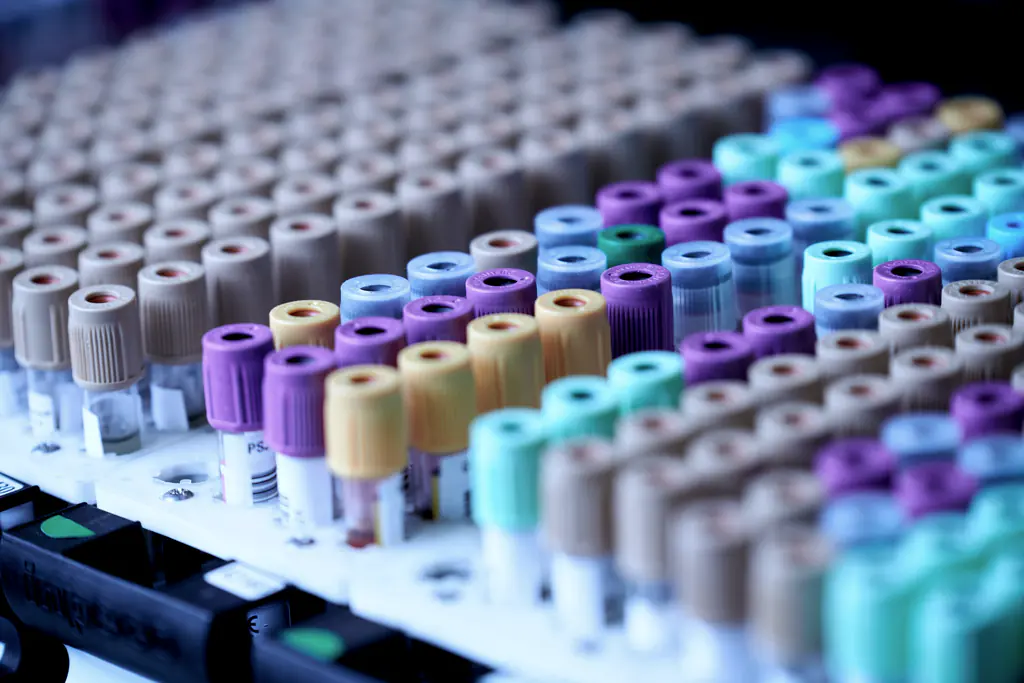
Examination of a blood sample as part of clinical pathology testing.
- Sample
- Blood
- Preparation
- Ask when you contact us
- Report
- Ask when you contact us
About this test
Clinical pathology includes the examination of blood samples, alongside urine and other body samples, to detect disease and monitor overall health.
Your doctor decides which examinations are needed and interprets the results with your history and symptoms.
Who may need it
- People having a routine health check
- People whose doctor wants to find the cause of symptoms
- People with a known condition who need monitoring
Purpose and benefits
What it looks at
- Blood cells and substances carried in the blood, depending on the examination your doctor requests
- Changes compared with earlier results, when you bring them
How it helps
- Gives your doctor objective information about your health
- Can show early changes before symptoms appear
- Provides a baseline to compare with future results
What to keep in mind
- Blood examination is a broad term. What it tells you depends on which tests are done
- A result outside the usual range is not a diagnosis on its own
- Diet, hydration, medicines and recent activity can influence some values
Preparation
General guidance for this kind of test. What you need to do for your own test is confirmed when you contact us: please ask
- Some blood tests need fasting, which means nothing to eat or drink except plain water for several hours, and many do not. Your doctor or our staff will tell you which applies to your test.
- Tell the staff about all medicines, vitamins and supplements you take. Do not stop any medicine unless your doctor tells you to.
- Bring your doctor’s written request, so that exactly the tests requested are done.
Before your visit
Bring your doctor’s request
If your doctor has written down the tests they want, bring it with you so the right tests are done.
Ask about preparation
Some tests need fasting or other preparation and many do not. Call or WhatsApp with the test name before you come.
Mention your medicines
Some medicines can affect certain results. Tell us what you take, and do not stop any medicine without your doctor’s advice.
How the test is done
The usual steps, in general terms. Staff will explain each one when you visit.
- 01
Check in at the lab
Tell the staff which test your doctor has requested and mention any medicines or supplements you take.
- 02
Blood sample
A trained staff member cleans the skin, usually on the inside of the elbow, and takes blood from a vein with a small needle. You feel a brief sting, and it usually takes only a few minutes.
- 03
Laboratory testing
Your sample is labelled and tested in the laboratory on calibrated instruments.
- 04
Your report
The result is prepared as a report for you and your doctor.
Reports and turnaround
Your report is prepared for you and your doctor, who explains what it means for you.
- Report timing
- Ask us when you book
- Collection or delivery
- Ask us when you book
Pricing and availability
Prices for individual tests are on the All tests page where the lab has confirmed them. Contact the lab with the test name and we will confirm the price, availability and any preparation.
- Price
- Ask us for the current price
- Opening hours
- Monday to Saturday: 7:00 AM to 5:30 PMSunday: Closed
- Address
- Muttapally Complex, Central Junction, Kuravilangad, Kerala 686633, India
Questions about blood examination
A blood count is one common blood test. Blood examination is a wider term for testing a blood sample. Tell us exactly what your doctor has requested.
Taking the sample usually takes only a few minutes. Report timing is confirmed when you contact us.
If your doctor has written a test request, please bring it. For anything else, call or message us and we will advise you.
Need blood examination?
Message the lab with the test name. We will confirm it, tell you how to prepare and help you plan your visit.
General information, not medical advice. Your doctor decides which tests you need and explains what your result means for you.
Written in our own words from public patient information: NHS: Blood tests, MedlinePlus: How to prepare for a lab test, MedlinePlus: Fasting for a blood test.