
Urine examination
Laboratory examination of a urine sample to help detect disease and monitor health.
- Sample
- Urine
- Preparation
- Ask when you contact us
- Report
- Ask when you contact us
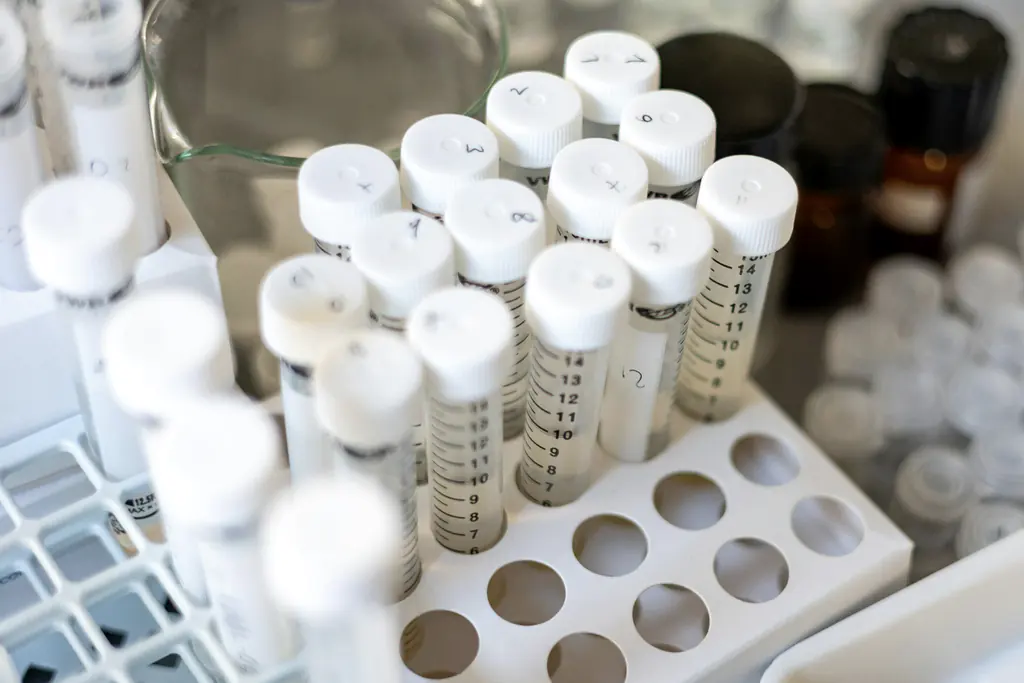
About this test
A urine sample can show a great deal about health. Clinical pathology examines it in the laboratory for changes that may signal disease.
Collection steps can differ between tests, so ask us before collecting your sample and we will explain what to do.
Who may need it
- People with urinary symptoms, such as burning, passing urine often or blood in the urine
- People whose doctor wants to check kidney or general health, including as part of a routine check
- People with a condition that affects the kidneys or urine, who need follow-up
Purpose and benefits
What it looks at
- The look of the urine, such as its colour and clarity
- Chemical features, often checked with a test strip (dipstick)
- Cells and other particles seen under a microscope
How it helps
- A painless test that needs only a urine sample
- Can show early changes in the urinary tract or in other conditions
- Helps your doctor decide whether further tests, such as a urine culture, are needed
What to keep in mind
- A urine examination rarely gives a diagnosis by itself
- A contaminated sample can give misleading results, so the way you collect it matters
- Some foods, medicines and vitamins can change results
Preparation
General guidance for this kind of test. What you need to do for your own test is confirmed when you contact us: please ask
- Collection steps differ between tests, so ask us before you collect your sample. Tell us what container to use.
- For a clean catch (midstream) sample, wash your hands, clean the genital area as the instructions explain, pass a little urine into the toilet, then collect the next part in the container. Close the lid without touching the inside.
- Bring the sample to the lab as soon as you can. If you cannot, ask us how to keep it. Tell us about medicines and vitamins you take.
Before your visit
Bring your doctor’s request
If your doctor has written down the tests they want, bring it with you so the right tests are done.
Ask about preparation
Some tests need fasting or other preparation and many do not. Call or WhatsApp with the test name before you come.
Mention your medicines
Some medicines can affect certain results. Tell us what you take, and do not stop any medicine without your doctor’s advice.
How the test is done
The usual steps, in general terms. Staff will explain each one when you visit.
- 01
Collect your sample
You collect the urine yourself in a clean container, following the steps we give you. Some tests ask for the first urine of the morning, so check with us.
- 02
Hand it in
Give the labelled container to the staff and mention any medicines you take.
- 03
Laboratory examination
The urine is looked at, checked with a test strip and, where needed, examined under a microscope.
- 04
Your report
The result is prepared as a report for you and your doctor.
Reports and turnaround
Your report is prepared for you and your doctor, who explains what it means for you.
- Report timing
- Ask us when you book
- Collection or delivery
- Ask us when you book
Pricing and availability
Prices for individual tests are on the All tests page where the lab has confirmed them. Contact the lab with the test name and we will confirm the price, availability and any preparation.
- Price
- Ask us for the current price
- Opening hours
- Monday to Saturday: 7:00 AM to 5:30 PMSunday: Closed
- Address
- Muttapally Complex, Central Junction, Kuravilangad, Kerala 686633, India
Questions about urine examination
Wash your hands, clean the genital area as instructed, pass a little urine into the toilet, then collect the middle part of the stream in the container and close the lid without touching the inside. Ask us before you collect, because steps can differ between tests.
Some tests ask for it and many do not. Follow your doctor’s request, and ask us when you contact the lab.
A urine examination can show changes that may point to a kidney or urinary tract problem, but it does not give a diagnosis on its own. Your doctor may add blood tests.
Need urine examination?
Message the lab with the test name. We will confirm it, tell you how to prepare and help you plan your visit.
General information, not medical advice. Your doctor decides which tests you need and explains what your result means for you.
Written in our own words from public patient information: MedlinePlus: Urinalysis, MedlinePlus: Clean catch urine sample.